Discovering Your Dream Home in Monument, Colorado

Key Takeaways

  • Monument provides a harmonious mix of natural beauty and suburban convenience.
  • The real estate market features diverse options, from custom-built homes to modern developments.
  • Proximity to major cities and top-rated schools makes it ideal for families and professionals.

Table of Contents

  1. Why Choose Monument?
  2. Understanding the Real Estate Market
  3. Popular Neighborhoods
  4. Schools and Education
  5. Recreational Activities
  6. Commuting and Transportation
  7. Working with Local Experts
  8. Conclusion

Monument, Colorado, nestled between Denver and Colorado Springs, offers a unique blend of small-town charm and modern amenities. If you’re considering making this picturesque town your home, understanding the local real estate market and community features is essential. For a comprehensive list of available properties, explore the homes for sale in Monument CO provided by The Fletcher Team & Associates. As the #1 eXp Realty team in Colorado, they offer extensive experience and deep local knowledge to assist you in finding the perfect home.

Why Choose Monument?

Monument sits at an elevation of over 7,000 feet, offering cooler summers and breathtaking views of Pikes Peak and the Rampart Range. Its strategic location provides easy access to both Denver and Colorado Springs, making it a desirable spot for those seeking tranquility without sacrificing urban conveniences.

Monument captures the essence of Colorado living while still being strategically positioned for business commuters, military personnel stationed at nearby bases, or anyone appreciating a fast-growing, safe, and close-knit community. Notably, Monument continues to see healthy population growth as people move away from larger metro areas in favor of more space, access to nature, and peaceful neighborhoods. This growing demand means the area also has robust public services, modern grocery stores, excellent healthcare facilities nearby, and a thriving small business scene that ranges from cozy coffee shops to cozy boutiques and locally owned restaurants that give the town its unique character.

Understanding the Real Estate Market

The housing market in Monument is diverse, featuring everything from expansive custom estates to modern townhomes. As of March 2026, the median home value in Monument is holding strong at $749,900, reflecting a 6.6% year-over-year increase. This trend indicates a robust market, appealing to both buyers and investors.

Inventory in Monument tends to move quickly, especially among single-family homes in desirable neighborhoods. Homebuyers can choose from new construction communities with cutting-edge finishes and energy-efficient features, or established areas with larger lots and mature trees. Another attractive feature for investors is the relative stability of property values compared to some Front Range communities, thanks in part to consistent demand from both relocating families and professionals. Many buyers are also drawn to high-end features such as open floor plans, smart home integrations, and outdoor living spaces, perfect for enjoying Colorado’s more than 300 days of sunshine each year.

Popular Neighborhoods

Monument boasts several neighborhoods catering to various lifestyles:

  • Jackson Creek: Known for its family-friendly environment and proximity to schools.
  • Sanctuary Pointe: Offers luxury homes with scenic views and access to hiking trails.
  • Woodmoor: Features larger lots with mature trees, providing a secluded feel.

Other noteworthy subdivisions include Village Center and Promontory Pointe, both of which are praised for their sense of community and access to amenities such as parks, walking paths, and neighborhood events. Each neighborhood in Monument has its unique feel. Some are perfect for raising families, while others appeal to retirees or professionals seeking convenience and comfort. Homeowners’ associations often help maintain neighborhood standards and amenities, adding to the area’s overall appeal.

Schools and Education

Education is a priority in Monument, with the Lewis-Palmer School District (D38) serving the area. The district is renowned for its high academic standards and comprehensive extracurricular programs, making it a significant draw for families.

In addition to top-rated public schools, families may choose from several nearby private schools and specialized academies. The district prides itself on low student-to-teacher ratios, competitive sports teams, and a diverse array of clubs and arts programs. Parental involvement is especially strong, with active PTAs and frequent community support for education initiatives. The success of Lewis-Palmer High School and Palmer Ridge High School makes Monument a top pick for academic-minded families relocating to Colorado.

Recreational Activities

Outdoor enthusiasts will find plenty to do in Monument. The town offers numerous parks, hiking trails, and is in close proximity to the Pike National Forest. Additionally, the local community hosts events throughout the year, fostering a strong sense of belonging among residents.

Among the most popular destinations for recreation are Monument Lake, Fox Run Regional Park, and the Santa Fe Regional Trail, a favorite among cyclists and runners that stretches down to Colorado Springs. During winter, residents often take quick trips to nearby ski resorts or enjoy local cross-country trails. The downtown area hosts farmers markets, summer concerts, and community festivals—giving everyone from young professionals to retirees a chance to socialize and celebrate Colorado’s outdoor lifestyle. Monument is also a short drive away from iconic attractions like Garden of the Gods, Cheyenne Mountain Zoo, and USAFA Falcon Stadium, offering even more opportunities for family adventures and cultural experiences.

Commuting and Transportation

Monument’s location along I-25 ensures convenient commuting options. Residents can reach Colorado Springs in approximately 20 minutes and Denver in about 40 minutes, making it feasible for those working in either city to reside in Monument.

Public transportation options are also growing, with multiple park-and-ride facilities available for carpooling and express bus routes during peak commuting hours. The town’s infrastructure has benefited from recent investments, resulting in well-maintained roads, reliable public safety, and coordinated efforts to minimize traffic congestion during busy travel times. Access to Denver International Airport and Colorado Springs Airport ensures that residents have a choice for both regional and international travel.

Bike-friendly paths and walking trails connect neighborhoods to shopping, schools, and parks, promoting a healthy lifestyle and providing alternatives to driving. This connectivity appeals to young families and retirees alike, making Monument one of the most accessible small towns in the Front Range.

Working with Local Experts

When searching for homes in Monument, partnering with knowledgeable local real estate professionals can make a significant difference. The Fletcher Team & Associates, based in Monument, CO, is the #1 eXp Realty team in Colorado, serving clients across the entire Front Range. With over 2,300 homes sold and more than 1,100 five-star Zillow reviews, their reputation is built on results, trust, and client satisfaction. Their expertise ensures a smooth and informed home-buying process.

Experienced agents like The Fletcher Team understand Monument’s micro-markets and emerging trends. They provide clients with the latest listings, expert negotiation skills, and valuable insight on community developments and future growth prospects. Whether you’re relocating from out-of-state, upgrading to a larger home, or looking to invest in property in Monument, working with a dedicated local team ensures you won’t miss out on opportunities in a competitive marketplace. Many teams also offer in-depth digital tours, virtual open houses, and remote closing options for maximum convenience.

Conclusion

Finding your dream home in Monument, CO, involves understanding the local market, exploring neighborhoods, and considering lifestyle factors. With its unique blend of natural beauty, community spirit, and accessibility, Monument stands out as an excellent choice for prospective homeowners.

Choosing Monument means investing in a tight-knit community where neighbors look out for one another and where the backdrop of the Rocky Mountains becomes part of your everyday life. The lively town center, excellent schools, and abundance of outdoor recreation make it the perfect spot to plant roots. If you’re ready to begin your home search or simply want to learn more, don’t hesitate to reach out to The Fletcher Team & Associates for the latest insights, personalized listings, and unmatched support throughout your Monument real estate journey.

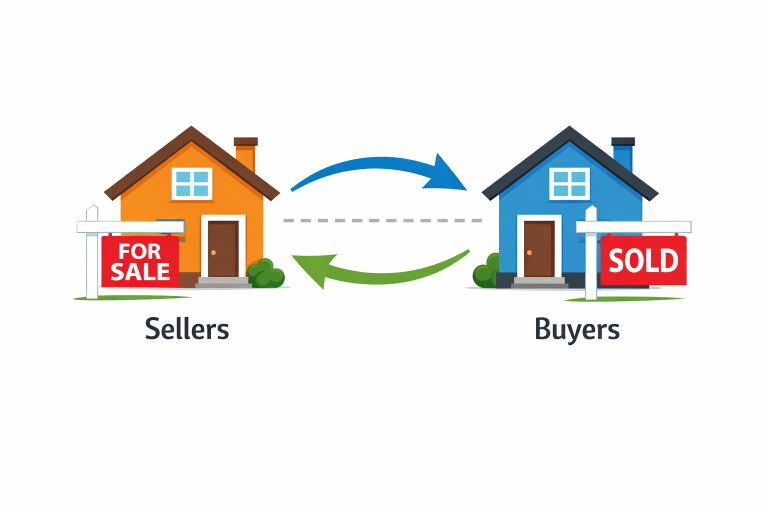
How Buyers and Sellers Can Adapt to a Changing Real Estate Market

Key Takeaways

  • Understanding current market trends is crucial for both buyers and sellers.
  • Buyers can leverage technology and financial tools to enhance purchasing power.
  • Sellers should focus on competitive pricing and property presentation.
  • Flexibility and adaptability are key in negotiations.

Table of Contents

  1. Understanding Market Trends
  2. Strategies for Buyers
  3. Strategies for Sellers
  4. Leveraging Technology
  5. Financial Preparation
  6. Importance of Flexibility
  7. Seeking Professional Guidance
  8. Conclusion

The real estate landscape is continually evolving, influenced by economic shifts, interest rate fluctuations, and changing buyer and seller behaviors. To navigate these changes successfully, both parties must adopt strategic approaches tailored to current market conditions. For those in the Santa Fe area, partnering with a seasoned professional like Santa Fe NM real estate expert Paige Cochran can provide invaluable guidance. With over a decade of experience and a track record of successful transactions, Paige Cochran offers personalized services to clients in Northern New Mexico, helping them achieve their real estate goals.

Understanding Market Trends

Staying informed about current market conditions is essential. For instance, as of June 2025, the U.S. housing market has shifted firmly into a buyer’s market, with approximately 500,000 more home sellers than buyers, according to Redfin. This 33.7% imbalance, the largest since Redfin began tracking in 2013, marks a significant reversal from the intense buyer competition and soaring home prices of previous years. Despite increased home availability, high prices and elevated mortgage rates continue to make homeownership difficult for many, particularly first-time buyers.

Strategies for Buyers

Buyers can improve their position in the real estate market by using mortgage rate buydowns to secure lower initial interest rates and by exploring creative financing options. Conducting thorough market research is essential to identify competitively priced properties. Collaborating with a trusted local lender enables access to down payment assistance programs and government-backed loans, enhancing purchasing power. Buyers should also be aware of local trends, infrastructure improvements, and neighborhood revitalization that affect investment potential.

Virtual tours and detailed property reports can streamline property selection, while engaging a knowledgeable real estate agent provides valuable market insights. Timing can be crucial; monitoring seasonal market fluctuations may offer better prices and negotiation opportunities. Buyers should consider the total cost of ownership and maintain an emergency fund to mitigate unexpected expenses.

Finally, viewing real estate as a long-term investment and analyzing factors such as appreciation rates and economic development can lead to better decisions in volatile markets.

Strategies for Sellers

To attract buyers, sellers can implement several strategies: offer rate buydowns and cover closing costs to minimize upfront expenses, and price homes competitively to generate interest. Enhancing move-in readiness by implementing impactful updates and being flexible with terms, including contingent offers, is crucial, especially in a slower market. Investing in professional staging, high-quality photography, and simple upgrades like fresh paint can improve curb appeal. Clear listing descriptions that emphasize unique features enhance visibility. Sellers should maintain proactive communication and use open houses or virtual tours to increase exposure. Conducting pre-inspections can identify issues before they occur and build trust. Creative marketing tailored to target demographics can boost visibility. Lastly, patience and realistic expectations are vital, as market fluctuations can impact sales outcomes.

Leveraging Technology

Both buyers and sellers benefit from online platforms and virtual tours in real estate, enabling a wider reach and a streamlined transaction process. Advanced technologies enhance accessibility, enabling buyers to explore properties through virtual open houses and interactive floor plans, while sellers leverage digital marketing and 3D walkthroughs to reach a global audience. Enhanced transaction management tools improve transparency, enabling smooth operations with e-signatures and secure sharing. Additionally, mobile apps and emerging technologies, such as AI valuations and chatbots, support informed decision-making, leading to quicker, more efficient transactions.

Financial Preparation

Ensuring financial readiness is essential for both buyers and sellers in real estate. Buyers should obtain mortgage pre-approval to clarify their budgets and strengthen their offers. They must review credit scores, gather documentation, and include potential closing costs and repairs in their budget. Sellers should analyze comparable sales with an agent to set realistic appraisals and sale prices, while addressing potential inspection issues to avoid negotiation complications. Both parties should stay informed about changes in lending standards and government programs that could affect home affordability and capital access. Consulting with a real estate professional or loan officer is advisable to stay up to date and prepared.

Importance of Flexibility

Flexibility in negotiations can lead to successful transactions. Being open to adjusting terms, timelines, and conditions can facilitate agreements that satisfy both parties.

Market volatility frequently requires quick adaptation. Buyers may discover a dream home that needs minor updates but is priced competitively; being open to improvements or flexible possession dates can win the deal. Similarly, sellers who accommodate buyer contingencies, or even lease-back scenarios for quick closings, can broaden their pool of interested buyers. Both parties should work to keep communication lines open and consider creative solutions to overcome potential obstacles that arise during inspections or appraisals.

It’s also worth noting the importance of contingency periods. Buyers can negotiate longer inspection or financing contingencies for peace of mind, while sellers might use these clauses strategically to manage risk and keep sales moving. Flexibility does not mean ceding too much leverage, but rather being collaborative to ensure win-win solutions.

Seeking Professional Guidance

Engaging with experienced real estate professionals can provide valuable insights and guidance. For example, consulting with a Santa Fe, NM, real estate expert like Paige Cochran, who has extensive local market knowledge and a proven track record, can be beneficial. Paige offers personalized services to clients in the Santa Fe area, helping them navigate the complexities of buying or selling a home.

Professionals offer value far beyond transactional assistance; they provide a nuanced understanding of neighborhood dynamics, up-to-the-minute data on pricing and absorption rates, and a curated network of industry connections (inspectors, contractors, lenders) that can streamline every step. Whether you’re a first-time homebuyer or a seasoned investor, trusted advice helps avoid costly pitfalls and ensures a smooth experience. In a rapidly changing market, this guidance is especially vital.

Moreover, local agents often have early access to upcoming listings and exclusive properties not found on major platforms, giving their clients a competitive edge. Their intimate knowledge of local ordinances, disclosures, and transaction procedures helps prevent delays and costly errors. Professionals also bring negotiation skills, which can be critical when demand and supply are shifting rapidly, helping ensure their clients make confident, informed decisions under complex or emotionally charged circumstances.

Conclusion

Adapting to a changing real estate market requires awareness, preparation, and flexibility. By staying informed and employing strategic approaches, both buyers and sellers can achieve their real estate goals despite market fluctuations.

Ultimately, success comes from recognizing opportunities, staying adaptable, and leveraging both human and technological resources. Whether buying or selling in Santa Fe or beyond, partnering with an expert ensures you’re well-equipped to navigate the path ahead.

As the market continues to evolve, those who educate themselves, surround themselves with trusted experts, and stay nimble with their strategies will be positioned for sustained success in real estate.

Understanding Your Home’s Plumbing System with Local Plumbers Near Me

Behind every faucet turn and toilet flush lies a network of pipes and valves that most homeowners rarely see. That hidden system works quietly each day, yet small problems can escalate quickly without basic knowledge. Learning how major components function makes conversations with a plumber near me more productive and helps prevent costly damage.

Location and Operation of the Main Water Shut-Off Valve

The main water shut-off valve controls the entire home’s water supply. It is typically located near where the service line enters the house, often in a basement, utility closet, or along an exterior wall. Turning this valve clockwise stops water flow to sinks, showers, and appliances, which becomes essential during leaks or burst pipes. Every household should know its exact location before an emergency occurs. During a sudden pipe break, an emergency plumber near me may advise shutting off water immediately to limit flooding. Local plumbers often recommend testing the valve once or twice a year to ensure it turns smoothly and does not seize from corrosion.

Identification of Pipe Materials

Homes contain a range of pipe materials depending on age and renovation history. Copper, PVC, PEX, galvanized steel, and cast iron each carry different strengths and maintenance needs. Identifying these materials helps homeowners understand potential lifespan and repair options.

Older galvanized pipes, for example, may narrow internally over time due to mineral buildup. Modern PEX piping resists corrosion and handles temperature shifts well. A local plumber near me can inspect visible piping and explain which sections may need monitoring or future upgrades. Affordable plumbers near me often provide evaluations that fit a homeowner’s budget while maintaining dependable service.

Functionality of the Main Sewer Cleanout

The main sewer cleanout provides direct access to the home’s primary drain line. It usually appears as a capped pipe located in the yard or basement floor. This access point allows plumbers to clear blockages without removing interior fixtures.

If multiple drains back up at once, the problem may exist in the main sewer line rather than a single sink. Emergency plumbers use specialized equipment through the cleanout to remove tree roots or debris. Cheap plumbers near me can still deliver reliable, thorough drain cleaning when equipped with proper tools and training.

Proper Maintenance of Water Heater Pressure Relief Valves

Pressure relief valves protect water heaters from dangerous pressure buildup. These valves automatically release excess pressure if temperature or internal pressure rises too high. Without proper function, tanks may experience structural failure.

Routine testing ensures the valve operates freely. Lifting the test lever briefly allows water to discharge, confirming movement inside the mechanism. Best plumbers near me often include this inspection during routine maintenance visits to prevent long-term issues.

Understanding Local Water Hardness Levels

Mineral content varies by region and affects plumbing systems over time. Hard water contains elevated calcium and magnesium levels that can form scale inside pipes and appliances. Scale buildup reduces efficiency and may shorten the lifespan of water heaters.

Testing hardness levels allows homeowners to decide whether softening systems are beneficial. Local plumbers frequently recommend solutions that reduce mineral accumulation while preserving steady flow. Affordable plumbers near me can install treatment systems that protect fixtures without overspending.

The Role of Sump Pumps and Backflow Preventers

Sump pumps remove groundwater from basements and crawl spaces during heavy rainfall. These pumps collect excess water in a pit and discharge it safely away from the home. Without a functioning sump pump, flooding risk increases significantly.

Backflow preventers serve a different purpose by blocking contaminated water from re-entering clean supply lines. Municipal codes often require these devices in certain installations. An emergency plumber near me may inspect both systems before storm seasons to confirm reliable operation.

Differentiation Between Greywater and Blackwater Drains

Greywater drains carry wastewater from sinks, showers, and washing machines. Blackwater drains handle waste from toilets and kitchen disposals. The distinction matters because blackwater contains higher levels of contaminants and requires stricter handling standards.

Understanding these categories helps homeowners describe issues accurately when contacting plumbers. A local plumber near me may prioritize blackwater backups due to health concerns. Best plumbers near me explain how proper venting and drain slope prevent cross-contamination within the system.

Optimal Household Water Pressure Settings

Balanced water pressure keeps fixtures functioning properly. Too little pressure leads to weak showers, while excessive pressure strains pipes and connectors. Ideal residential pressure typically falls between 40 and 60 psi.

Pressure gauges attached to outdoor spigots allow quick testing. If readings exceed recommended levels, plumbers can install pressure-reducing valves to stabilize flow. Cheap plumbers near me who focus on affordability still maintain high technical standards when adjusting these systems.

Winterization Techniques for Exterior Spigots

Exterior faucets face freezing temperatures during winter months. Trapped water inside exposed pipes can expand and cause cracks. Draining lines and disconnecting hoses before cold weather arrives reduces this risk.

Insulated covers add another layer of protection. Local plumbers often recommend frost-proof spigots in colder climates for added security. Professional guidance from Mr Rooter includes inspections, system evaluations, and practical solutions tailored to each home’s layout. Reliable service from trained technicians ensures that both routine maintenance and urgent repairs receive careful attention.

Home Trends Shaping Luxury Real Estate Markets

Key Takeaways

  • Smart home technology is essential for today’s luxury buyers.
  • Sustainable, eco-friendly designs are standard in high-end homes.
  • Wellness and health-focused amenities greatly influence purchasing decisions.
  • Adaptive, multifunctional spaces support modern lifestyle needs.

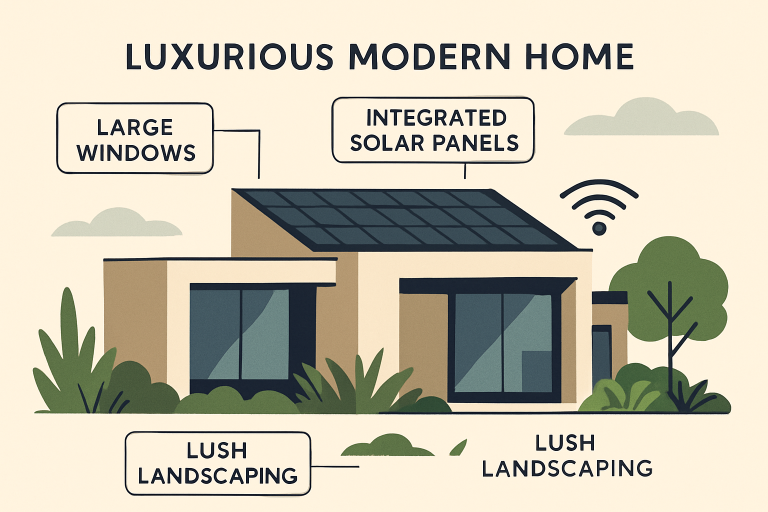
Luxury real estate is undergoing a dynamic transformation, driven by a growing demand for homes that offer much more than traditional elegance. Affluent buyers are now placing a premium on technology, sustainability, wellness amenities, and adaptability, seeking out properties where the latest innovations work seamlessly to increase everyday comfort, wellness, and efficiency. As the market evolves, the expectation is that a luxury home provides a holistic living experience defined by thoughtful design and cutting-edge features.

In high-demand markets such as the Hamptons, these trends are shaping what’s considered desirable and valuable. Those exploring Hamptons homes for sale are particularly discerning, often seeking exclusive properties that reflect the latest advancements in luxury living. Susan Breitenbach, whose listings can be found on the aforementioned site, is a seasoned authority in the Hamptons luxury market, known for her deep understanding of high-end real estate and unmatched expertise in Bridgehampton, Sagaponack, East Hampton, and beyond. Her website offers a curated portfolio of sophisticated homes that exemplify these modern trends, making her a trusted name for buyers who value innovation, privacy, and lifestyle excellence.

Smart Home Integration

The integration of smart technology has quickly become indispensable in luxury homes. Automated lighting, voice-controlled appliances, state-of-the-art climate systems, and intelligent security ensure that daily living is efficient and convenient. Buyers now expect complete home automation, with control systems accessible remotely and personalized to their routines. As artificial intelligence continues setting new standards for home management, features like biometric entry systems and smart environmental controls appeal to the tech-savvy homeowner who prioritizes both security and comfort.

Sustainable Designs

Environmental responsibility is a major force shaping today’s luxury market. Green architecture and eco-friendly materials are no longer niche interests; they have become hallmarks of elite properties. Solar panels, energy-efficient glass, reclaimed wood, and water-saving technologies are now mainstream in luxury construction. Upscale buyers also seek certifications such as LEED, which further assure a commitment to sustainability. These innovations represent not only a response to climate concerns but also a strategic investment in long-term value and resource conservation.

Wellness Amenities

Health and wellness features are topping buyers’ wish lists, reflecting a global shift toward prioritizing holistic well-being at home. Private gyms, yoga studios, spa-inspired bathrooms, and advanced air and water filtration are becoming commonplace. Luxury homes often feature meditation rooms, saunas, and pools designed for relaxation and exercise. These amenities are designed to create a tranquil, restorative environment, turning a residence into a true sanctuary that supports physical and mental health.

Flexible Spaces

Modern luxury living places a premium on adaptability. The rise of remote work, hybrid learning, and home-based businesses has driven demand for homes with versatile layouts. Dedicated offices, creative studios, and spaces that can transition between different functions are in high demand. Open floor plans, movable partitions, and convertible rooms allow families to customize their living environment and accommodate evolving needs year to year.

Privacy and Security

With wealth often comes a desire for peace of mind. Security measures in luxury properties have evolved in sophistication, spanning from gated entryways and perimeter fencing to discreet panic rooms and advanced cyber-protection systems. Biometric access and AI-powered camera networks protect both the physical and digital realms, while landscape design and architectural positioning of homes ensure seclusion from prying eyes. Owners of luxury estates expect an uncompromising approach to privacy, safeguarding both their property and personal information.

Outdoor Living Spaces

Private outdoor areas have become essential attributes of upscale homes. Large terraces, landscaped gardens, infinity-edge pools, and rooftop retreats create an inviting oasis. These spaces are not merely decorative; they serve as extensions of the indoor living area, ideal for entertaining large groups or relaxing in solitude. Access to nature and panoramic views add tremendous value, especially in sought-after destinations where scenery enhances the sense of exclusivity.

Biophilic Design

The philosophy of biophilic design centers around forging a connection between inhabitants and the natural environment. Inside luxury homes, this is achieved through features like vertical gardens, extensive use of natural materials, water features, and generous windows that flood living spaces with daylight and frame abundant views. Indoor greenery, natural stone, and wood elements establish a calming atmosphere, reducing stress and promoting overall wellness. This design trend reflects a growing awareness of the mental and emotional benefits of nature-inspired surroundings.

Conclusion

The new era of luxury real estate is about much more than opulence. Buyers today expect seamless integration of technology, sustainable craftsmanship, private wellness retreats, and flexible home layouts that address both current and future needs. In premier locations like the Hamptons, working with established experts ensures access to elite properties that embody these industry-defining trends, offering a blend of innovation, sophistication, and timeless value.

Critical Sealing Issues Roof Companies Near Me Often Encounter

Moisture stains or musty odors usually trace back to small sealing problems that go unnoticed for months. Huntsville roof contractors often diagnose these issues during routine inspections, finding that the smallest gaps can create the biggest frustrations. Roof contractors understand how sealing failures form, why they spread, and which repairs restore long-term protection.

The Gaps Around Vents That Allow Slow Hidden Leaks

Vent openings sit high on the structure, yet they remain one of the most common areas where sealing problems develop. The edges around pipe boots or vent housings can shift slightly with wind, sun exposure, or material aging. Roof companies near me often notice tiny separations where water sneaks in quietly and runs beneath shingles before showing up indoors.

These leaks become harder to track the longer they continue. Huntsville roof contractors look for water trails on the underlayment and staining on decking boards to confirm how far the moisture has traveled. Roofing near me inspections usually involve resealing the vent base, replacing worn boot materials, and securing the surrounding shingles so the vent remains watertight.

How Worn Flashing Separates from Chimneys and Walls

Flashing holds one of the biggest responsibilities in keeping water out of vertical joints. Over time, heat and weather cause flashing edges to lift or corrode, creating small openings where water flows without resistance. Roof contractors in Huntsville AL often find that older flashing loses its protective bend, allowing runoff to slip behind the metal instead of over it.

Repairs usually involve removing a section of shingles to access the failing flashing. Roof companies near me reset or replace the metal, apply new sealants, and reinforce the joint so it forms a tight channel that directs water downward. This work restores the structure’s ability to manage heavy rainfall without funneling moisture into the walls.

Cracked Sealant Lines That Weaken Roof Protection

Sealant plays an important role around vents, pipe boots, edges, and joints. As temperature shifts stretch and contract materials, sealant loses elasticity and eventually cracks. These fine breaks may look harmless from the ground, yet they allow steady moisture infiltration. Experienced roofing near me professionals remove brittle sealant and apply flexible compounds that adhere properly to both metal and shingle surfaces. Roof contractors focus on choosing materials that resist heat and UV exposure to avoid repeated breakdown. Restoring these lines prevents water from sneaking into vulnerable spots during severe weather.

Why Lifted Shingles Expose the Underlayment to Moisture

Wind storms and age cause shingle corners or full tabs to lift. Once a section sits raised, rain can slide underneath and soak the underlayment, eventually reaching the wood deck. Huntsville roof contractors check lifted shingles during inspections because unsealed edges often signal deeper fastening problems.

Lifted shingles require more than simple repositioning. Roof companies near me typically reset the tabs with new nails, reinforce the adhesive strip, and replace any shingles that lost their protective granules. This approach protects the underlayment and restores the surface to its intended tight seal.

Nail Holes That Expand and Let Water Seep Inside

Nail pops are common across older installations or during seasonal temperature swings. The tiny gaps around raised nails widen with each thermal cycle, acting as direct entry points for water. Roofing near me services often discover these issues while addressing unrelated repairs.

Correcting this problem involves removing the raised nail, sealing the hole, and driving a new nail into a secure location. Huntsville roof contractors rely on this process to stop the spread of moisture beneath shingles. It also helps strengthen the row alignment, keeping the overall system tight.

How Failing Ridge Caps Create Pathways for Rain Intrusion

Ridge caps shield the most exposed part of the entire structure—the peak where two slopes meet. Over time, wind lifts the edges or breaks the adhesive bonds holding the cap in place. Roof contractors in Huntsville AL frequently see cracked caps from sun exposure or hail damage.

A compromised ridge cap allows water to slip directly into the highest point of the decking. Roof companies near me fix this by removing damaged caps, installing reinforced materials, and sealing each joint to keep ventilation functioning while preventing intrusion. Proper replacement ensures that rain can’t enter through the roof’s top ridge.

Why Aging Caulk Around Pipes Loses Its Watertight Hold

Pipe penetrations rely heavily on caulk to maintain a tight seal. As caulk dries out, it loses grip and separates from the pipe or flashing. This exposes a narrow gap that water often reaches during heavy downpours or snowmelt. Professionals who handle roofing near me updates scrape away old caulk and use high-grade compounds designed for long-term outdoor performance. Huntsville roof contractors apply new sealant carefully to create a full bond around the penetration, restoring dependable water protection.

Membrane Splits That Form After Repeated Temperature Shifts

Membrane systems expand and contract with changing temperatures. Over years, this movement stresses the material and creates splits that widen with each season. Roof companies near me catch these issues early by checking for brittle sections or separation lines across flat or low-slope surfaces. Restoring membrane integrity involves patching, resealing, or replacing affected panels. Huntsville roof contractors ensure the surface is properly conditioned before applying new material so the bond withstands future weather cycles. This renewed seal prevents water from pooling and seeping into the underlying deck.

Professional sealing repairs keep structures protected and prevent long-term water damage. Yellow Hammer Roofing helps local property owners by pinpointing these problems and rebuilding long-term protection with detailed repair work and dependable maintenance.

How Failure to Preheat Affects Final Results in a Paint Curing Oven

A rushed production schedule can tempt operators to push parts into a paint curing oven before they reach proper starting temperatures. That small shortcut often triggers defects that only appear once the finish is fully baked, making the issue difficult to trace. This breakdown outlines how missed preheat steps affect finished quality inside industrial curing ovens and why the cost of skipping them is greater than it seems.

Coating Adhesion Weakening When Substrates Enter the Oven Too Cold

A cold substrate resists proper bonding as the coating begins to reach its crosslinking temperature. Instead of merging into a tight, unified layer, the film anchors unevenly across the surface. This inconsistent bonding weakens the coating and reduces long-term durability, especially on edges or sharp corners.

Poor adhesion also becomes more pronounced on heavier parts that hold cold temperatures longer. The paint film may peel, chip, or lift early in its service life because the base temperature never allowed a strong foundation to form inside an industrial curing oven.

Industrial Curing Oven - Reliant Finishing Systems

Gloss Levels Dropping from Inconsistent Early Heat Exposure

Uneven preheating leaves sections of a part warming at different rates, which disrupts how the coating flows before curing. If the surface does not equalize quickly, gloss levels flatten or appear dull. High-sheen finishes often show these flaws first.

This dulling effect stems from the coating being forced to set before it levels out. Without a uniform rise in surface temperature, even a well-tuned industrial curing oven cannot correct the early imbalance.

Solvent Release Slowing and Causing Surface Defects

Paint formulas rely on predictable solvent evaporation during the first phase of heating. A part that enters the oven too cool slows this release dramatically. As a result, trapped solvents form tiny blisters, pinholes, or waves beneath the coating’s top layer.

If the temperature difference is significant, the escaping vapors push upward hard enough to mar the finish permanently. No amount of post-cure polishing can fully hide these defects once they have formed.

Cure Times Lengthening Due to Uneven Initial Temperatures

A paint curing oven operates most effectively when parts begin at similar temperature levels. Cold starts cause extended cure cycles because the oven must devote energy simply to raising the substrate to baseline. This lengthens the process and creates irregular timing across batches. These variations also complicate quality checks. Parts may appear finished even though internal sections of the coating remain under-cured, affecting hardness, protection, and long-term wear.

Film Thickness Appearing Irregular Across the Finished Part

Cold metal affects viscosity as the coating hits the surface. Thicker zones form where the applied paint cools too fast, while other areas become thin or stressed. This imbalance becomes more visible after curing inside industrial curing ovens, especially on large flat surfaces. Different film thicknesses also influence how light reflects off the finished product. A panel may look streaked or uneven because the temperature shift altered how the paint settled before baking.

Color Shifts Occurring from Unstable Thermal Ramp-up

Color-sensitive coatings depend on a predictable heat rise during the first few minutes of curing. A substrate that has not been preheated distorts this ramp-up. The pigment warms at varying speeds, which can shift tones or create muddiness across the surface. Batches using the same formula may still exhibit noticeable variation if thermal inconsistencies persist. This is one of the most common complaints tied to poor preheating, especially in facilities running multiple paint lines.

Surface Texture Forming Unintended Orange-peel Patterns

Orange-peel texture often develops when the coating cannot properly flow before the curing phase begins. A cold part stiffens the paint prematurely. Once inside the oven, the coating lacks time to smooth itself, leading to a textured or pebbled appearance. Thicker coatings exaggerate this issue even more. Instead of leveling, the film locks into place too early because the temperature transition is too abrupt to allow natural settling.

Hardness Development Falling Short of Required Specs

Final hardness depends on the coating reaching and maintaining target cure temperatures for a specific duration. If a substrate goes in cold, the coating may never fully develop its designed strength. The result is a softer, more vulnerable surface that fails wear tests or impact resistance checks. This weakness becomes especially problematic in high-use environments where coatings protect machinery, equipment, or metal fixtures. Hardness deficiencies almost always connect back to thermal inconsistencies at the beginning of the cycle. Reliant Finishing Systems designs industrial curing oven equipment that helps manufacturers reduce these issues by maintaining predictable, stable heat conditions throughout each stage of the curing process.

Why Timely Roof Flashing Repairs in Madison AL Prevent Water Intrusion and Foundation Damage

In neighborhoods across Madison, one overlooked detail often separates a dry, secure home from one plagued by leaks — the condition of roof flashing. This thin layer of metal, tucked beneath shingles or along roof joints, quietly guards against the constant threat of water intrusion. Understanding how flashing issues develop helps explain why timely repairs make all the difference between lasting protection and costly structural damage.

How Small Flashing Gaps Evolve into Major Structural Leaks

Tiny openings in flashing might appear harmless at first, but water exploits even the smallest gaps. During heavy rainfall, moisture creeps through these openings and begins to saturate the underlayment and decking beneath. Over time, this trapped moisture softens the materials, creating hidden damage that spreads quickly beyond the initial leak point.

Once water begins infiltrating the internal layers, it doesn’t stop at the roofline. It seeps into insulation, drywall, and support beams, eventually staining ceilings and warping wood. Many homeowners searching for “roof repair near me” discover that neglected flashing gaps were the original cause of more extensive damage. Prompt attention prevents minor breaches from escalating into full-scale repairs or even a roof replacement.

Deteriorated Seal Edges Directing Runoff into Vulnerable Walls

Seal edges around flashing are designed to divert rainwater away from sensitive joints. Over time, these seals dry out, crack, or pull away due to constant temperature shifts. Once they loosen, water starts flowing directly into the seams between walls and rooflines, which are especially prone to decay.

This misdirection of runoff allows water to collect where it doesn’t belong — inside the framing or behind exterior siding. Prolonged exposure promotes rot, mold growth, and weakened structural connections. It’s one of the most common reasons property owners in Madison seek roof repair to prevent moisture infiltration from spreading into living areas.

Corroded Flashing Accelerating Moisture Penetration over Time

Metal flashing, though durable, isn’t immune to corrosion. Exposure to humidity, acid rain, and debris accumulation causes metal to pit and oxidize. Once corrosion sets in, it thins the metal, allowing rain to penetrate through small pinholes that are nearly invisible from the ground.

Left unchecked, this corrosion accelerates moisture penetration through layers meant to stay dry. The result is insulation saturation, which leads to higher energy costs and potential ceiling leaks. Local residents relying on Madison roof repair services often find that replacing corroded flashing early saves both the structure and the budget.

Why Compromised Joints Undermine Roof Drainage Control

Roof joints are engineered to guide rainwater smoothly toward gutters. When flashing at these junctions shifts or breaks, the drainage system loses balance. Instead of being channeled away, water pools near seams or slides down internal cavities.

Pooling is a silent warning sign that a roof’s water control system has failed. Over time, standing water accelerates shingle wear and seeps into decking. Many technicians specializing in roof repair near me note that compromised flashing joints are one of the primary causes of uneven water flow that later leads to wood rot and insulation damage.

Water Seepage from Flashing Failures Weakening Foundation Soil

Water infiltration doesn’t always stay confined to the roof. Persistent flashing leaks allow water to run down walls and collect near the base of the structure. Once it reaches the ground, it begins saturating the soil surrounding the foundation, softening it gradually.

This water migration weakens soil integrity, causing small shifts in the foundation that may eventually lead to cracks or settling. In regions like Madison where seasonal rainfall is heavy, timely roof repair prevents the chain reaction that begins with flashing leaks and ends with costly foundation stabilization work.

Early Flashing Maintenance Reducing Costly Repair Cycles

Regular flashing inspections reduce long-term maintenance costs dramatically. Addressing minor issues before the rainy season minimizes damage that otherwise multiplies with each storm. Professionals often use sealants or replacement panels to restore flashing before it deteriorates further.

By maintaining a consistent schedule for roof repair, property owners keep their roofing systems functional for decades. The small investment in preventive maintenance avoids recurring repair cycles that strain budgets and interrupt daily life. A timely fix can extend the lifespan of the roof and safeguard everything beneath it.

What Poor Installation Reveals About Long-term Water Exposure Risks

Improperly installed flashing often reveals itself years later through persistent leaks in predictable patterns. Poor overlaps, insufficient sealant, or misaligned joints create openings for moisture from the start. This early installation mistake sets the stage for chronic water exposure in the same areas after every rainfall.

Even minor workmanship errors can have lasting effects. Water repeatedly penetrating through these flawed seams can cause the sheathing and insulation below to deteriorate faster. Those searching for reliable “roofing near me” services should always ensure flashing installation meets building standards to prevent ongoing exposure issues.

Expansion and Contraction Stresses Causing Flashing Displacement

Temperature swings throughout the year cause metal flashing to expand and contract. Over time, this movement loosens fasteners and breaks sealant bonds, creating openings along joints and corners. This process is slow but relentless, often going unnoticed until visible water damage appears inside.

Seasonal expansion stresses can push flashing slightly out of alignment, interrupting the natural flow of rainwater off the roof. Routine checks after winter and summer cycles help detect early displacement before it leads to major leaks. For homeowners needing dependable maintenance or Madison roof repair, Fleming Roofing provides timely service to restore secure sealing and prevent long-term structural damage.

The Surprising Psychology of Wall Colors in Your Home

When we think about home design, we often focus on furniture, layout, or trendy decor. But there’s one powerful design element that many people overlook: the color of the walls. Beyond aesthetics, the colors you choose for your living spaces can profoundly influence your emotions, behavior, and even your daily routines. Understanding the psychology behind color can help create a home that not only looks good but also feels right.

Take the color blue, for example. Often associated with calm and serenity, blue has been shown to lower blood pressure and heart rate. It’s a popular choice for bedrooms and bathrooms, where the goal is often to unwind and relax. Soft, muted blues can create a sense of spaciousness and tranquility, making a room feel like a peaceful retreat from the outside world. On the other hand, darker navy tones add sophistication and depth, often used to ground a space with elegance.

In contrast, red is known to stimulate the senses. It raises energy levels and can even increase appetite, which is why it’s commonly found in dining rooms or kitchens. However, too much red can be overwhelming, especially in small spaces or areas meant for rest. The key with red—and other strong colors—is moderation. Used as an accent wall or through smaller design elements, it can add warmth and passion without overpowering a room.

Yellow brings a sense of cheerfulness and energy, mimicking the sun’s glow. It’s a great choice for kitchens or entryways, where a burst of brightness can lift your spirits. But too intense a yellow can become irritating or anxiety-inducing over time. Soft buttery tones or pale golds tend to offer the same warmth without the jarring edge.

Green, with its strong ties to nature, creates a sense of balance and renewal. It’s one of the most versatile colors in home design, working well in almost any room. Whether you opt for sage, olive, or a vibrant grassy hue, green fosters a restful and rejuvenating atmosphere. It’s particularly effective in home offices or living rooms, where focus and harmony are equally important.

Even neutral colors, often dismissed as safe or boring, have powerful psychological effects. Shades of white promote clarity and cleanliness, while grays can introduce a sense of calm or modernity depending on their undertones. The trick with neutrals is layering textures and tones so that the space still feels dynamic and alive.

Of course, everyone experiences color differently, and personal associations play a role in how a space feels. What relaxes one person might agitate another. That’s why choosing wall colors should always be an intuitive process, guided by both emotion and environment. Lighting, room size, and existing furnishings all influence how a color will truly appear and function.

In the end, painting your walls is more than a decorative decision. It’s a way of shaping the emotional undercurrent of your home. By tuning into how colors affect mood and behavior, you can create spaces that not only reflect your style but also support your well-being. So next time you’re tempted to reach for a familiar shade, take a moment to consider what feeling you really want that room to evoke. The answer might just lead you to an unexpected—and transformative—choice.

The Quiet Transformation of Moving to a New City

Moving from one place to another is often framed in terms of logistics: boxes stacked high in the living room, carefully wrapped dishes, and endless checklists of tasks to complete. But beneath the cardboard and tape lies a quieter, less discussed transformation. Relocating to a new city isn’t just about shifting belongings from one zip code to another; it’s about stepping into an unfamiliar rhythm, reshaping identity, and rediscovering how to feel at home.

The first days in a new city tend to feel like standing on the outside of a window, peering in. Streets lack memory. Buildings appear cold and indifferent. Even simple errands can become miniature adventures, as finding a grocery store or navigating public transportation suddenly requires effort. What once felt effortless in a familiar place—the comfort of knowing exactly where to grab coffee or which route to take when avoiding traffic—becomes a conscious experiment in trial and error. These small inconveniences can leave newcomers feeling untethered, but they are also the earliest signs that transformation is underway.

Humans crave familiarity, and a move disrupts that craving in profound ways. Yet in the same breath, disruption brings growth. Each step through a new neighborhood builds a personal map, one rooted not in GPS directions but in sensory connections. The bakery on the corner becomes more than a place for bread; it becomes the smell that marks the beginning of a Saturday morning ritual. The park down the block transforms into a sanctuary for reflection or a chance encounter with neighbors who eventually turn into friends. Over time, these fragments of experience stitch together into a quilt of belonging.

There is also the subtle shift in identity that comes with relocation. In the place we leave behind, we carry reputations, routines, and a network that already understands us. In the new city, however, we are anonymous. For many, this anonymity is intimidating, but for others it is liberating. It creates the possibility of reinvention, of trying on new habits or pursuing interests that felt out of reach in the past. Moving grants the chance to recalibrate who we are without the weight of expectation.

Of course, not every transition is smooth. Homesickness can creep in unexpectedly, triggered by something as simple as the absence of a familiar skyline or the taste of a favorite meal that cannot be replicated elsewhere. In those moments, it is important to recognize that missing the old life does not mean failing in the new one. Nostalgia and growth can coexist, reminding us that our roots are not severed by distance but expanded by experience.

Over weeks and months, the unfamiliar begins to feel ordinary, and then, slowly, extraordinary. A new city never replaces the old; it layers itself alongside it, giving us two sets of coordinates for who we are and where we belong. Moving from one place to another is less about losing a home than it is about learning to carry multiple homes within ourselves.

In the end, the quiet transformation of moving lies in this realization: every city leaves its imprint, and in each transition, we discover a little more about how wide and adaptable the concept of “home” can truly be.

Why Hiring Professionals for Your Fence Installation is Worth It

The Value of Professional Fence Installation

When considering enclosing your property with a new fence, a crucial decision awaits: do you tackle it yourself or call the experts? On the surface, fence installation might seem like a DIY-friendly project, but the reality is complex. Entrusting the task to a seasoned fence company Austin can make all the difference. Professional installation does more than add a fresh line of demarcation—it enhances your home environment’s durability and aesthetic harmonization.

Those who have ventured into DIY territory often share tales of unexpected challenges. Professionals easily bypass these hurdles thanks to their extensive training and practical knowledge. This depth of understanding spans everything from soil composition and material selection to optimal design and integration with existing landscaping, ensuring the fence fulfills its role and adds to your property’s value and charm.


Benefits of Hiring Professionals

Bringing Austin fencing professionals on board offers many benefits. First and foremost, their experience translates into efficiency. What may take a novice several weekends to complete, they can achieve in a matter of days, if not hours. This efficiency stems from their familiarity with installation processes and challenges and a refined skill set developed over countless projects.

Moreover, workmanship cannot be underestimated. A professionally installed fence doesn’t just look better; it functions better. Every post is aligned perfectly, every board is sealed to enhance longevity, and every detail is executed with an eye for perfection. This level of detail bolsters the fence’s functionality and contributes significantly to the property’s market value.


Understanding Quality Materials

Regarding materials, professionals have a key advantage: access to high-quality options that may not be readily available to the average consumer. Their understanding of materials is nuanced and exacting, considering factors such as climate resilience and maintenance limitations. Using materials that stand the test of time is undeniably significant. As highlighted in a respected industry publication, material choice significantly affects the fence’s durability, maintenance demands, and overall satisfaction with the finished project.

Professionals also understand the importance of selecting materials that meet your needs and preferences. Whether you’re interested in classic wood for its natural aesthetic or sturdy vinyl for its low maintenance, they can recommend materials that align with your vision and budget.


Importance of Proper Planning

Planning is the backbone of successful fence installation. This includes everything from mapping the property to predicting potential obstacles during construction. Professionals excel in this area, performing thorough assessments and providing expert advice on design elements such as gate placement and style.

Effective planning manifests in a fence that appears as though it was meant to be there all along—integrated seamlessly into the landscape and optimally positioned for both function and beauty. Professionals consider environmental factors such as wind and precipitation, ensuring that every element of the installation process is carefully calculated for performance.


Navigating Local Regulations

Fence installations are subject to local laws and regulations, often entailing permits and adherence to specific city or regional codes. Professionals are well-acquainted with these legal nuances and can help you navigate the bureaucratic complexities of compliance.

Their expertise provides a layer of security for homeowners, ensuring that the complete project adheres to legal standards and eliminates the risk of costly fines or required removals. A compliant installation not only provides peace of mind but also sets a solid foundation for the lasting practicality and safety of the fence.


Ensuring Long-Term Maintenance

Like any outdoor structure, fences require maintenance to maintain their aesthetic and functional integrity. Professional installers provide specific insights and services that are critical to long-term upkeep. Their advice often leads to fewer repairs and a prolonged fence lifespan.

These preventive measures save time and money and preserve the beauty and utility of your investment. Professional guidance ensures minor issues are addressed before they become significant problems, maintaining the fence’s condition and performance for years.


Cost Considerations

The initial cost of hiring professionals can sometimes deter homeowners who might opt for a DIY route to save money. However, it’s important to note that the hidden costs of a DIY project often surpass the perceived savings. Mistakes, material waste, and future repairs can escalate expenses quickly.

Professionals not only eliminate these potential pitfalls by ensuring accuracy and precision from the start but also bring stability and endurance to your investment. This approach ensures that the installation is completed correctly the first time, fostering long-term value and satisfaction without frequent repairs or replacements.