Understanding Your Home’s Plumbing System with Local Plumbers Near Me

Behind every faucet turn and toilet flush lies a network of pipes and valves that most homeowners rarely see. That hidden system works quietly each day, yet small problems can escalate quickly without basic knowledge. Learning how major components function makes conversations with a plumber near me more productive and helps prevent costly damage.

Location and Operation of the Main Water Shut-Off Valve

The main water shut-off valve controls the entire home’s water supply. It is typically located near where the service line enters the house, often in a basement, utility closet, or along an exterior wall. Turning this valve clockwise stops water flow to sinks, showers, and appliances, which becomes essential during leaks or burst pipes. Every household should know its exact location before an emergency occurs. During a sudden pipe break, an emergency plumber near me may advise shutting off water immediately to limit flooding. Local plumbers often recommend testing the valve once or twice a year to ensure it turns smoothly and does not seize from corrosion.

Identification of Pipe Materials

Homes contain a range of pipe materials depending on age and renovation history. Copper, PVC, PEX, galvanized steel, and cast iron each carry different strengths and maintenance needs. Identifying these materials helps homeowners understand potential lifespan and repair options.

Older galvanized pipes, for example, may narrow internally over time due to mineral buildup. Modern PEX piping resists corrosion and handles temperature shifts well. A local plumber near me can inspect visible piping and explain which sections may need monitoring or future upgrades. Affordable plumbers near me often provide evaluations that fit a homeowner’s budget while maintaining dependable service.

Functionality of the Main Sewer Cleanout

The main sewer cleanout provides direct access to the home’s primary drain line. It usually appears as a capped pipe located in the yard or basement floor. This access point allows plumbers to clear blockages without removing interior fixtures.

If multiple drains back up at once, the problem may exist in the main sewer line rather than a single sink. Emergency plumbers use specialized equipment through the cleanout to remove tree roots or debris. Cheap plumbers near me can still deliver reliable, thorough drain cleaning when equipped with proper tools and training.

Proper Maintenance of Water Heater Pressure Relief Valves

Pressure relief valves protect water heaters from dangerous pressure buildup. These valves automatically release excess pressure if temperature or internal pressure rises too high. Without proper function, tanks may experience structural failure.

Routine testing ensures the valve operates freely. Lifting the test lever briefly allows water to discharge, confirming movement inside the mechanism. Best plumbers near me often include this inspection during routine maintenance visits to prevent long-term issues.

Understanding Local Water Hardness Levels

Mineral content varies by region and affects plumbing systems over time. Hard water contains elevated calcium and magnesium levels that can form scale inside pipes and appliances. Scale buildup reduces efficiency and may shorten the lifespan of water heaters.

Testing hardness levels allows homeowners to decide whether softening systems are beneficial. Local plumbers frequently recommend solutions that reduce mineral accumulation while preserving steady flow. Affordable plumbers near me can install treatment systems that protect fixtures without overspending.

The Role of Sump Pumps and Backflow Preventers

Sump pumps remove groundwater from basements and crawl spaces during heavy rainfall. These pumps collect excess water in a pit and discharge it safely away from the home. Without a functioning sump pump, flooding risk increases significantly.

Backflow preventers serve a different purpose by blocking contaminated water from re-entering clean supply lines. Municipal codes often require these devices in certain installations. An emergency plumber near me may inspect both systems before storm seasons to confirm reliable operation.

Differentiation Between Greywater and Blackwater Drains

Greywater drains carry wastewater from sinks, showers, and washing machines. Blackwater drains handle waste from toilets and kitchen disposals. The distinction matters because blackwater contains higher levels of contaminants and requires stricter handling standards.

Understanding these categories helps homeowners describe issues accurately when contacting plumbers. A local plumber near me may prioritize blackwater backups due to health concerns. Best plumbers near me explain how proper venting and drain slope prevent cross-contamination within the system.

Optimal Household Water Pressure Settings

Balanced water pressure keeps fixtures functioning properly. Too little pressure leads to weak showers, while excessive pressure strains pipes and connectors. Ideal residential pressure typically falls between 40 and 60 psi.

Pressure gauges attached to outdoor spigots allow quick testing. If readings exceed recommended levels, plumbers can install pressure-reducing valves to stabilize flow. Cheap plumbers near me who focus on affordability still maintain high technical standards when adjusting these systems.

Winterization Techniques for Exterior Spigots

Exterior faucets face freezing temperatures during winter months. Trapped water inside exposed pipes can expand and cause cracks. Draining lines and disconnecting hoses before cold weather arrives reduces this risk.

Insulated covers add another layer of protection. Local plumbers often recommend frost-proof spigots in colder climates for added security. Professional guidance from Mr Rooter includes inspections, system evaluations, and practical solutions tailored to each home’s layout. Reliable service from trained technicians ensures that both routine maintenance and urgent repairs receive careful attention.
Home Trends Shaping Luxury Real Estate Markets

Key Takeaways

  • Smart home technology is essential for today’s luxury buyers.
  • Sustainable, eco-friendly designs are standard in high-end homes.
  • Wellness and health-focused amenities greatly influence purchasing decisions.
  • Adaptive, multifunctional spaces support modern lifestyle needs.

Luxury real estate is undergoing a dynamic transformation, driven by a growing demand for homes that offer much more than traditional elegance. Affluent buyers are now placing a premium on technology, sustainability, wellness amenities, and adaptability, seeking out properties where the latest innovations work seamlessly to increase everyday comfort, wellness, and efficiency. As the market evolves, the expectation is that a luxury home provides a holistic living experience defined by thoughtful design and cutting-edge features.

In high-demand markets such as the Hamptons, these trends are shaping what’s considered desirable and valuable. Those exploring Hamptons homes for sale are particularly discerning, often seeking exclusive properties that reflect the latest advancements in luxury living. Susan Breitenbach, whose listings can be found on the aforementioned site, is a seasoned authority in the Hamptons luxury market, known for her deep understanding of high-end real estate and unmatched expertise in Bridgehampton, Sagaponack, East Hampton, and beyond. Her website offers a curated portfolio of sophisticated homes that exemplify these modern trends, making her a trusted name for buyers who value innovation, privacy, and lifestyle excellence.

Smart Home Integration

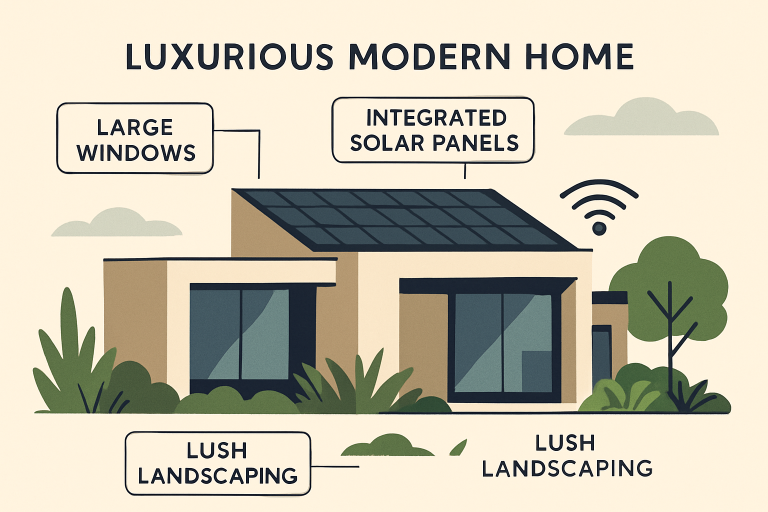
The integration of smart technology has quickly become indispensable in luxury homes. Automated lighting, voice-controlled appliances, state-of-the-art climate systems, and intelligent security ensure that daily living is efficient and convenient. Buyers now expect complete home automation, with control systems accessible remotely and personalized to their routines. As artificial intelligence continues setting new standards for home management, features like biometric entry systems and smart environmental controls appeal to the tech-savvy homeowner who prioritizes both security and comfort.

Sustainable Designs

Environmental responsibility is a major force shaping today’s luxury market. Green architecture and eco-friendly materials are no longer niche interests; they have become hallmarks of elite properties. Solar panels, energy-efficient glass, reclaimed wood, and water-saving technologies are now mainstream in luxury construction. Upscale buyers also seek certifications such as LEED, which further assure a commitment to sustainability. These innovations represent not only a response to climate concerns but also a strategic investment in long-term value and resource conservation.

Wellness Amenities

Health and wellness features are topping buyers’ wish lists, reflecting a global shift toward prioritizing holistic well-being at home. Private gyms, yoga studios, spa-inspired bathrooms, and advanced air and water filtration are becoming commonplace. Luxury homes often feature meditation rooms, saunas, and pools designed for relaxation and exercise. These amenities are designed to create a tranquil, restorative environment, turning a residence into a true sanctuary that supports physical and mental health.

Flexible Spaces

Modern luxury living places a premium on adaptability. The rise of remote work, hybrid learning, and home-based businesses has driven demand for homes with versatile layouts. Dedicated offices, creative studios, and spaces that can transition between different functions are in high demand. Open floor plans, movable partitions, and convertible rooms allow families to customize their living environment and accommodate evolving needs year to year.

Privacy and Security

With wealth often comes a desire for peace of mind. Security measures in luxury properties have evolved in sophistication, spanning from gated entryways and perimeter fencing to discreet panic rooms and advanced cyber-protection systems. Biometric access and AI-powered camera networks protect both the physical and digital realms, while landscape design and architectural positioning of homes ensure seclusion from prying eyes. Owners of luxury estates expect an uncompromising approach to privacy, safeguarding both their property and personal information.

Outdoor Living Spaces

Private outdoor areas have become essential attributes of upscale homes. Large terraces, landscaped gardens, infinity-edge pools, and rooftop retreats create an inviting oasis. These spaces are not merely decorative; they serve as extensions of the indoor living area, ideal for entertaining large groups or relaxing in solitude. Access to nature and panoramic views add tremendous value, especially in sought-after destinations where scenery enhances the sense of exclusivity.

Biophilic Design

The philosophy of biophilic design centers around forging a connection between inhabitants and the natural environment. Inside luxury homes, this is achieved through features like vertical gardens, extensive use of natural materials, water features, and generous windows that flood living spaces with daylight and frame abundant views. Indoor greenery, natural stone, and wood elements establish a calming atmosphere, reducing stress and promoting overall wellness. This design trend reflects a growing awareness of the mental and emotional benefits of nature-inspired surroundings.

Conclusion

The new era of luxury real estate is about much more than opulence. Buyers today expect seamless integration of technology, sustainable craftsmanship, private wellness retreats, and flexible home layouts that address both current and future needs. In premier locations like the Hamptons, working with established experts ensures access to elite properties that embody these industry-defining trends, offering a blend of innovation, sophistication, and timeless value.