Key Takeaways
- Smart home technology is essential for today’s luxury buyers.
- Sustainable, eco-friendly designs are standard in high-end homes.
- Wellness and health-focused amenities greatly influence purchasing decisions.
- Adaptive, multifunctional spaces support modern lifestyle needs.
Luxury real estate is undergoing a dynamic transformation, driven by a growing demand for homes that offer much more than traditional elegance. Affluent buyers are now placing a premium on technology, sustainability, wellness amenities, and adaptability, seeking out properties where the latest innovations work seamlessly to increase everyday comfort, wellness, and efficiency. As the market evolves, the expectation is that a luxury home provides a holistic living experience defined by thoughtful design and cutting-edge features.
In high-demand markets such as the Hamptons, these trends are shaping what’s considered desirable and valuable. Those exploring Hamptons homes for sale are particularly discerning, often seeking exclusive properties that reflect the latest advancements in luxury living. Susan Breitenbach, whose listings can be found on the aforementioned site, is a seasoned authority in the Hamptons luxury market, known for her deep understanding of high-end real estate and unmatched expertise in Bridgehampton, Sagaponack, East Hampton, and beyond. Her website offers a curated portfolio of sophisticated homes that exemplify these modern trends, making her a trusted name for buyers who value innovation, privacy, and lifestyle excellence.
Smart Home Integration
The integration of smart technology has quickly become indispensable in luxury homes. Automated lighting, voice-controlled appliances, state-of-the-art climate systems, and intelligent security ensure that daily living is efficient and convenient. Buyers now expect complete home automation, with control systems accessible remotely and personalized to their routines. As artificial intelligence continues setting new standards for home management, features like biometric entry systems and smart environmental controls appeal to the tech-savvy homeowner who prioritizes both security and comfort.
Sustainable Designs
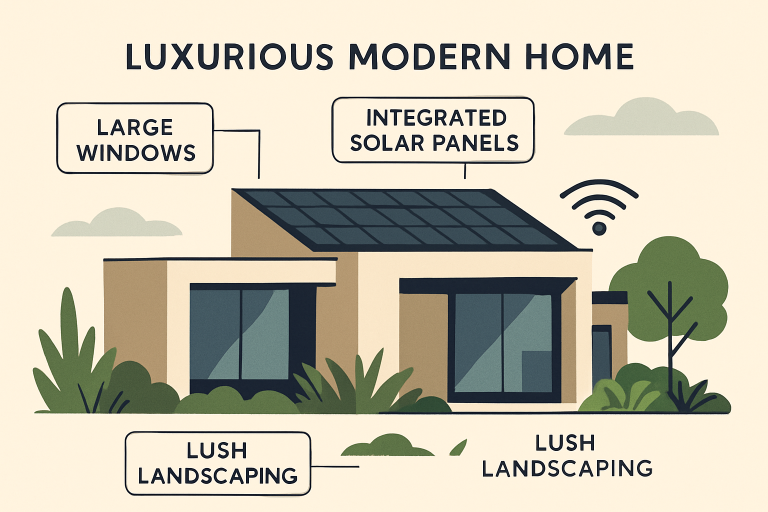
Environmental responsibility is a major force shaping today’s luxury market. Green architecture and eco-friendly materials are no longer niche interests; they have become hallmarks of elite properties. Solar panels, energy-efficient glass, reclaimed wood, and water-saving technologies are now mainstream in luxury construction. Upscale buyers also seek certifications such as LEED, which further assure a commitment to sustainability. These innovations represent not only a response to climate concerns but also a strategic investment in long-term value and resource conservation.
Wellness Amenities
Health and wellness features are topping buyers’ wish lists, reflecting a global shift toward prioritizing holistic well-being at home. Private gyms, yoga studios, spa-inspired bathrooms, and advanced air and water filtration are becoming commonplace. Luxury homes often feature meditation rooms, saunas, and pools designed for relaxation and exercise. These amenities are designed to create a tranquil, restorative environment, turning a residence into a true sanctuary that supports physical and mental health.
Flexible Spaces
Modern luxury living places a premium on adaptability. The rise of remote work, hybrid learning, and home-based businesses has driven demand for homes with versatile layouts. Dedicated offices, creative studios, and spaces that can transition between different functions are in high demand. Open floor plans, movable partitions, and convertible rooms allow families to customize their living environment and accommodate evolving needs year to year.
Privacy and Security
With wealth often comes a desire for peace of mind. Security measures in luxury properties have evolved in sophistication, spanning from gated entryways and perimeter fencing to discreet panic rooms and advanced cyber-protection systems. Biometric access and AI-powered camera networks protect both the physical and digital realms, while landscape design and architectural positioning of homes ensure seclusion from prying eyes. Owners of luxury estates expect an uncompromising approach to privacy, safeguarding both their property and personal information.
Outdoor Living Spaces
Private outdoor areas have become essential attributes of upscale homes. Large terraces, landscaped gardens, infinity-edge pools, and rooftop retreats create an inviting oasis. These spaces are not merely decorative; they serve as extensions of the indoor living area, ideal for entertaining large groups or relaxing in solitude. Access to nature and panoramic views add tremendous value, especially in sought-after destinations where scenery enhances the sense of exclusivity.
Biophilic Design
The philosophy of biophilic design centers around forging a connection between inhabitants and the natural environment. Inside luxury homes, this is achieved through features like vertical gardens, extensive use of natural materials, water features, and generous windows that flood living spaces with daylight and frame abundant views. Indoor greenery, natural stone, and wood elements establish a calming atmosphere, reducing stress and promoting overall wellness. This design trend reflects a growing awareness of the mental and emotional benefits of nature-inspired surroundings.
Conclusion
The new era of luxury real estate is about much more than opulence. Buyers today expect seamless integration of technology, sustainable craftsmanship, private wellness retreats, and flexible home layouts that address both current and future needs. In premier locations like the Hamptons, working with established experts ensures access to elite properties that embody these industry-defining trends, offering a blend of innovation, sophistication, and timeless value.