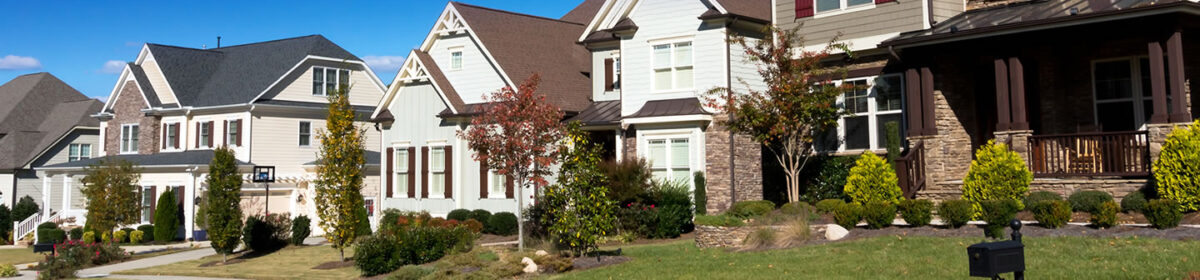
In neighborhoods across Madison, one overlooked detail often separates a dry, secure home from one plagued by leaks — the condition of roof flashing. This thin layer of metal, tucked beneath shingles or along roof joints, quietly guards against the constant threat of water intrusion. Understanding how flashing issues develop helps explain why timely repairs make all the difference between lasting protection and costly structural damage.
How Small Flashing Gaps Evolve into Major Structural Leaks
Tiny openings in flashing might appear harmless at first, but water exploits even the smallest gaps. During heavy rainfall, moisture creeps through these openings and begins to saturate the underlayment and decking beneath. Over time, this trapped moisture softens the materials, creating hidden damage that spreads quickly beyond the initial leak point.
Once water begins infiltrating the internal layers, it doesn’t stop at the roofline. It seeps into insulation, drywall, and support beams, eventually staining ceilings and warping wood. Many homeowners searching for “roof repair near me” discover that neglected flashing gaps were the original cause of more extensive damage. Prompt attention prevents minor breaches from escalating into full-scale repairs or even a roof replacement.
Deteriorated Seal Edges Directing Runoff into Vulnerable Walls
Seal edges around flashing are designed to divert rainwater away from sensitive joints. Over time, these seals dry out, crack, or pull away due to constant temperature shifts. Once they loosen, water starts flowing directly into the seams between walls and rooflines, which are especially prone to decay.
This misdirection of runoff allows water to collect where it doesn’t belong — inside the framing or behind exterior siding. Prolonged exposure promotes rot, mold growth, and weakened structural connections. It’s one of the most common reasons property owners in Madison seek roof repair to prevent moisture infiltration from spreading into living areas.
Corroded Flashing Accelerating Moisture Penetration over Time
Metal flashing, though durable, isn’t immune to corrosion. Exposure to humidity, acid rain, and debris accumulation causes metal to pit and oxidize. Once corrosion sets in, it thins the metal, allowing rain to penetrate through small pinholes that are nearly invisible from the ground.
Left unchecked, this corrosion accelerates moisture penetration through layers meant to stay dry. The result is insulation saturation, which leads to higher energy costs and potential ceiling leaks. Local residents relying on Madison roof repair services often find that replacing corroded flashing early saves both the structure and the budget.
Why Compromised Joints Undermine Roof Drainage Control
Roof joints are engineered to guide rainwater smoothly toward gutters. When flashing at these junctions shifts or breaks, the drainage system loses balance. Instead of being channeled away, water pools near seams or slides down internal cavities.
Pooling is a silent warning sign that a roof’s water control system has failed. Over time, standing water accelerates shingle wear and seeps into decking. Many technicians specializing in roof repair near me note that compromised flashing joints are one of the primary causes of uneven water flow that later leads to wood rot and insulation damage.
Water Seepage from Flashing Failures Weakening Foundation Soil
Water infiltration doesn’t always stay confined to the roof. Persistent flashing leaks allow water to run down walls and collect near the base of the structure. Once it reaches the ground, it begins saturating the soil surrounding the foundation, softening it gradually.
This water migration weakens soil integrity, causing small shifts in the foundation that may eventually lead to cracks or settling. In regions like Madison where seasonal rainfall is heavy, timely roof repair prevents the chain reaction that begins with flashing leaks and ends with costly foundation stabilization work.
Early Flashing Maintenance Reducing Costly Repair Cycles
Regular flashing inspections reduce long-term maintenance costs dramatically. Addressing minor issues before the rainy season minimizes damage that otherwise multiplies with each storm. Professionals often use sealants or replacement panels to restore flashing before it deteriorates further.
By maintaining a consistent schedule for roof repair, property owners keep their roofing systems functional for decades. The small investment in preventive maintenance avoids recurring repair cycles that strain budgets and interrupt daily life. A timely fix can extend the lifespan of the roof and safeguard everything beneath it.
What Poor Installation Reveals About Long-term Water Exposure Risks
Improperly installed flashing often reveals itself years later through persistent leaks in predictable patterns. Poor overlaps, insufficient sealant, or misaligned joints create openings for moisture from the start. This early installation mistake sets the stage for chronic water exposure in the same areas after every rainfall.
Even minor workmanship errors can have lasting effects. Water repeatedly penetrating through these flawed seams can cause the sheathing and insulation below to deteriorate faster. Those searching for reliable “roofing near me” services should always ensure flashing installation meets building standards to prevent ongoing exposure issues.
Expansion and Contraction Stresses Causing Flashing Displacement
Temperature swings throughout the year cause metal flashing to expand and contract. Over time, this movement loosens fasteners and breaks sealant bonds, creating openings along joints and corners. This process is slow but relentless, often going unnoticed until visible water damage appears inside.
Seasonal expansion stresses can push flashing slightly out of alignment, interrupting the natural flow of rainwater off the roof. Routine checks after winter and summer cycles help detect early displacement before it leads to major leaks. For homeowners needing dependable maintenance or Madison roof repair, Fleming Roofing provides timely service to restore secure sealing and prevent long-term structural damage.