
Key Takeaways
- Understanding current market trends is crucial for both buyers and sellers.
- Buyers can leverage technology and financial tools to enhance purchasing power.
- Sellers should focus on competitive pricing and property presentation.
- Flexibility and adaptability are key in negotiations.
Table of Contents
- Understanding Market Trends
- Strategies for Buyers
- Strategies for Sellers
- Leveraging Technology
- Financial Preparation
- Importance of Flexibility
- Seeking Professional Guidance
- Conclusion
The real estate landscape is continually evolving, influenced by economic shifts, interest rate fluctuations, and changing buyer and seller behaviors. To navigate these changes successfully, both parties must adopt strategic approaches tailored to current market conditions. For those in the Santa Fe area, partnering with a seasoned professional like Santa Fe NM real estate expert Paige Cochran can provide invaluable guidance. With over a decade of experience and a track record of successful transactions, Paige Cochran offers personalized services to clients in Northern New Mexico, helping them achieve their real estate goals.
Understanding Market Trends
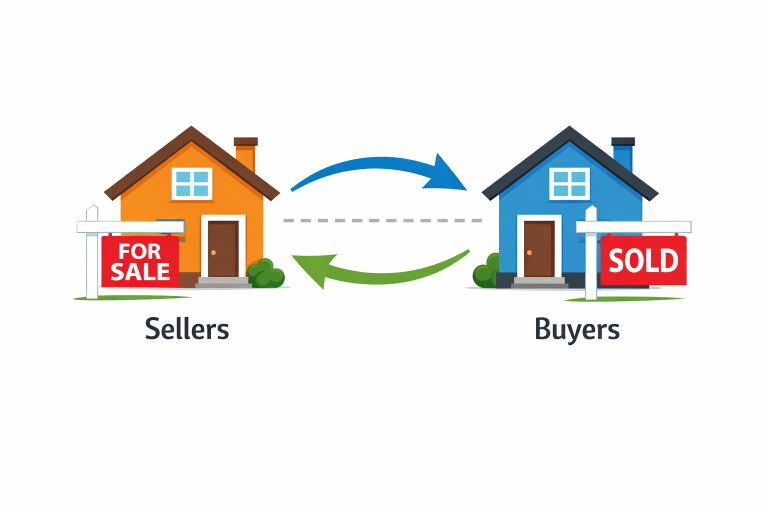
Staying informed about current market conditions is essential. For instance, as of June 2025, the U.S. housing market has shifted firmly into a buyer’s market, with approximately 500,000 more home sellers than buyers, according to Redfin. This 33.7% imbalance, the largest since Redfin began tracking in 2013, marks a significant reversal from the intense buyer competition and soaring home prices of previous years. Despite increased home availability, high prices and elevated mortgage rates continue to make homeownership difficult for many, particularly first-time buyers.
Strategies for Buyers
Buyers can improve their position in the real estate market by using mortgage rate buydowns to secure lower initial interest rates and by exploring creative financing options. Conducting thorough market research is essential to identify competitively priced properties. Collaborating with a trusted local lender enables access to down payment assistance programs and government-backed loans, enhancing purchasing power. Buyers should also be aware of local trends, infrastructure improvements, and neighborhood revitalization that affect investment potential.
Virtual tours and detailed property reports can streamline property selection, while engaging a knowledgeable real estate agent provides valuable market insights. Timing can be crucial; monitoring seasonal market fluctuations may offer better prices and negotiation opportunities. Buyers should consider the total cost of ownership and maintain an emergency fund to mitigate unexpected expenses.
Finally, viewing real estate as a long-term investment and analyzing factors such as appreciation rates and economic development can lead to better decisions in volatile markets.
Strategies for Sellers
To attract buyers, sellers can implement several strategies: offer rate buydowns and cover closing costs to minimize upfront expenses, and price homes competitively to generate interest. Enhancing move-in readiness by implementing impactful updates and being flexible with terms, including contingent offers, is crucial, especially in a slower market. Investing in professional staging, high-quality photography, and simple upgrades like fresh paint can improve curb appeal. Clear listing descriptions that emphasize unique features enhance visibility. Sellers should maintain proactive communication and use open houses or virtual tours to increase exposure. Conducting pre-inspections can identify issues before they occur and build trust. Creative marketing tailored to target demographics can boost visibility. Lastly, patience and realistic expectations are vital, as market fluctuations can impact sales outcomes.
Leveraging Technology
Both buyers and sellers benefit from online platforms and virtual tours in real estate, enabling a wider reach and a streamlined transaction process. Advanced technologies enhance accessibility, enabling buyers to explore properties through virtual open houses and interactive floor plans, while sellers leverage digital marketing and 3D walkthroughs to reach a global audience. Enhanced transaction management tools improve transparency, enabling smooth operations with e-signatures and secure sharing. Additionally, mobile apps and emerging technologies, such as AI valuations and chatbots, support informed decision-making, leading to quicker, more efficient transactions.
Financial Preparation
Ensuring financial readiness is essential for both buyers and sellers in real estate. Buyers should obtain mortgage pre-approval to clarify their budgets and strengthen their offers. They must review credit scores, gather documentation, and include potential closing costs and repairs in their budget. Sellers should analyze comparable sales with an agent to set realistic appraisals and sale prices, while addressing potential inspection issues to avoid negotiation complications. Both parties should stay informed about changes in lending standards and government programs that could affect home affordability and capital access. Consulting with a real estate professional or loan officer is advisable to stay up to date and prepared.
Importance of Flexibility
Flexibility in negotiations can lead to successful transactions. Being open to adjusting terms, timelines, and conditions can facilitate agreements that satisfy both parties.
Market volatility frequently requires quick adaptation. Buyers may discover a dream home that needs minor updates but is priced competitively; being open to improvements or flexible possession dates can win the deal. Similarly, sellers who accommodate buyer contingencies, or even lease-back scenarios for quick closings, can broaden their pool of interested buyers. Both parties should work to keep communication lines open and consider creative solutions to overcome potential obstacles that arise during inspections or appraisals.
It’s also worth noting the importance of contingency periods. Buyers can negotiate longer inspection or financing contingencies for peace of mind, while sellers might use these clauses strategically to manage risk and keep sales moving. Flexibility does not mean ceding too much leverage, but rather being collaborative to ensure win-win solutions.
Seeking Professional Guidance
Engaging with experienced real estate professionals can provide valuable insights and guidance. For example, consulting with a Santa Fe, NM, real estate expert like Paige Cochran, who has extensive local market knowledge and a proven track record, can be beneficial. Paige offers personalized services to clients in the Santa Fe area, helping them navigate the complexities of buying or selling a home.
Professionals offer value far beyond transactional assistance; they provide a nuanced understanding of neighborhood dynamics, up-to-the-minute data on pricing and absorption rates, and a curated network of industry connections (inspectors, contractors, lenders) that can streamline every step. Whether you’re a first-time homebuyer or a seasoned investor, trusted advice helps avoid costly pitfalls and ensures a smooth experience. In a rapidly changing market, this guidance is especially vital.
Moreover, local agents often have early access to upcoming listings and exclusive properties not found on major platforms, giving their clients a competitive edge. Their intimate knowledge of local ordinances, disclosures, and transaction procedures helps prevent delays and costly errors. Professionals also bring negotiation skills, which can be critical when demand and supply are shifting rapidly, helping ensure their clients make confident, informed decisions under complex or emotionally charged circumstances.
Conclusion
Adapting to a changing real estate market requires awareness, preparation, and flexibility. By staying informed and employing strategic approaches, both buyers and sellers can achieve their real estate goals despite market fluctuations.
Ultimately, success comes from recognizing opportunities, staying adaptable, and leveraging both human and technological resources. Whether buying or selling in Santa Fe or beyond, partnering with an expert ensures you’re well-equipped to navigate the path ahead.
As the market continues to evolve, those who educate themselves, surround themselves with trusted experts, and stay nimble with their strategies will be positioned for sustained success in real estate.